Let’s break it down shall we?
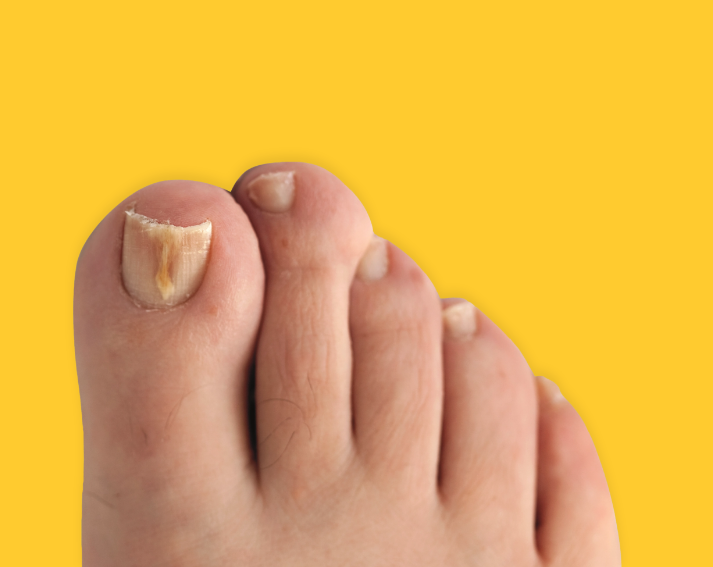
Fungal nail infection affects either the fingernails or toenails, causing discoloration, thickening, and separation from the nail bed. It occurs in 10% of the general population, 20% of persons older than 60 years, and 50% of those older than 70 years.
Fungal nail infection is also known as onychomycosis, nail mycosis or nail fungus.
Let’s break it down shall we?
Fungal nail infection affects either the fingernails or toenails, causing discoloration, thickening, and separation from the nail bed. It occurs in 10% of the general population, 20% of persons older than 60 years, and 50% of those older than 70 years.
Fungal nail infection is also known as onychomycosis, nail mycosis or nail fungus.
Various stages and varieties of nail fungus exist.
The specific fungus type and your individual condition can significantly influence a particular fungal nail infection you may be experiencing.
| Types of Nail Fungal | Affected Area | Individuals at Risk |
|---|---|---|
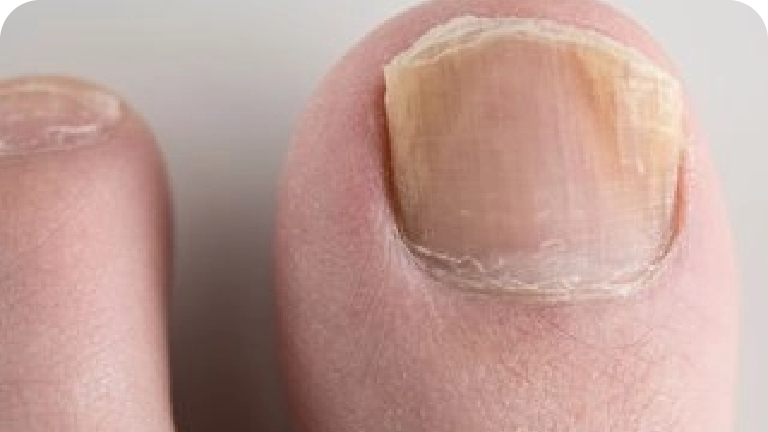
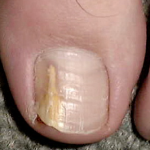 Distal subungual onychomycosis Distal subungual onychomycosis |
|
Diabetic patients and those with athlete’s foot |
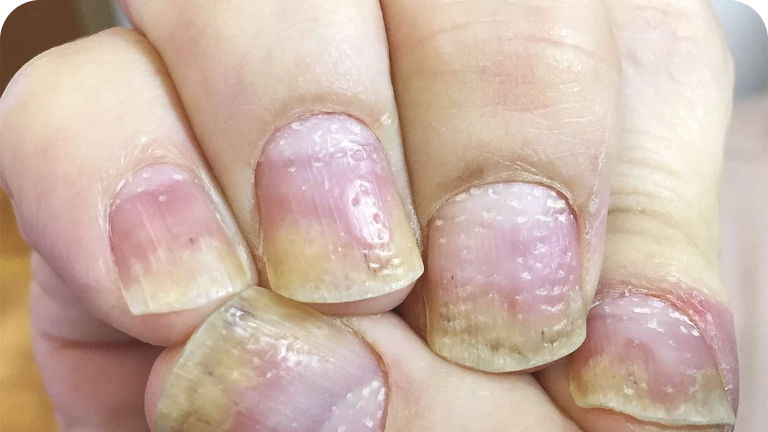
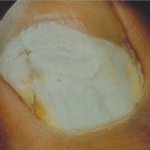 Proximal subungual onychomycosis Proximal subungual onychomycosis |
|
Immunocompromised patients |
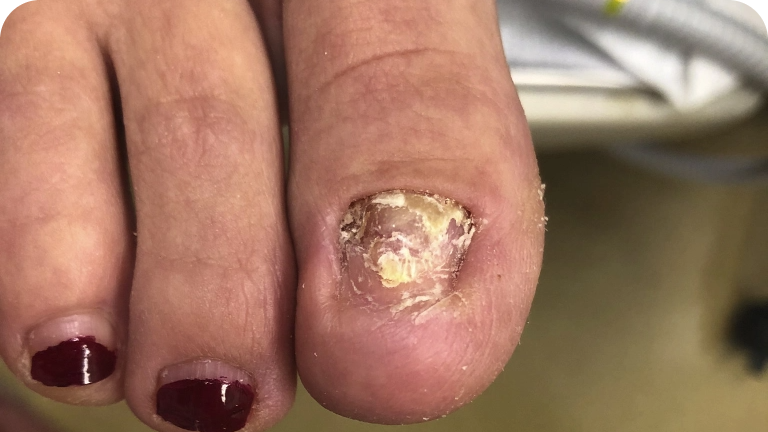
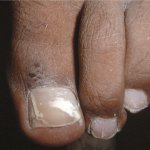 White superficial onychomycosis White superficial onychomycosis |
|
Immunocompromised patients |
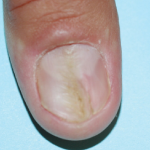 Candida onychomycosis Candida onychomycosis |
|
Patients with chronic mucocutaneous candidiasis |
Various stages and varieties of nail fungus exist.
The specific fungus type and your individual condition can significantly influence a particular fungal nail infection you may be experiencing.
| Name & Image | Affected Area | Individuals at Risk |
|---|---|---|
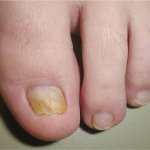 Distal subungual onychomycosis Distal subungual onychomycosis |
|
Diabetic patients and those with athlete’s foot |
|
Proximal subungual onychomycosis |
|
Immunocompromised patients |
|
White superficial onychomycosis |
|
Immunocompromised patients |
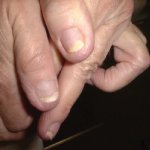 Candida onychomycosis Candida onychomycosis |
|
Patients with chronic mucocutaneous candidiasis |
There are several factors that might affect or increase the risk of being infected with nail mycosis.
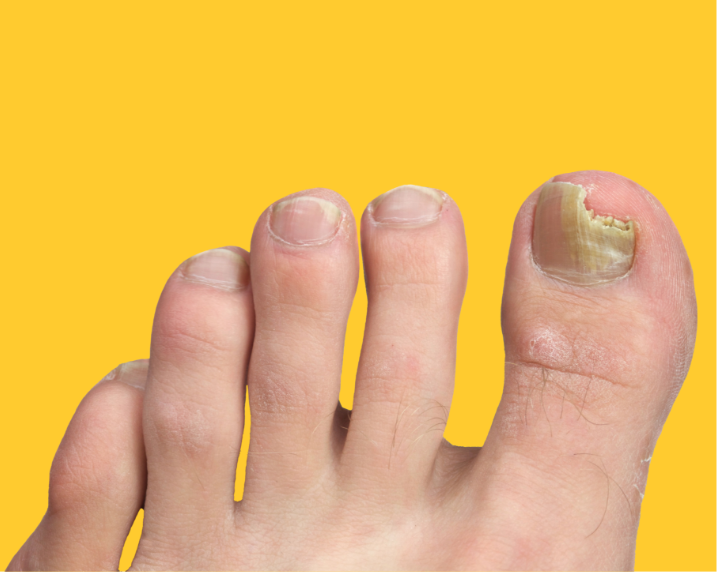
There are several factors that might affect or increase the risk of being infected with nail mycosis.

Regain your confidence and treat Fungal Nail Infection at home using these simple tips.
Regain your confidence and treat Fungal Nail Infection at home using these simple tips.